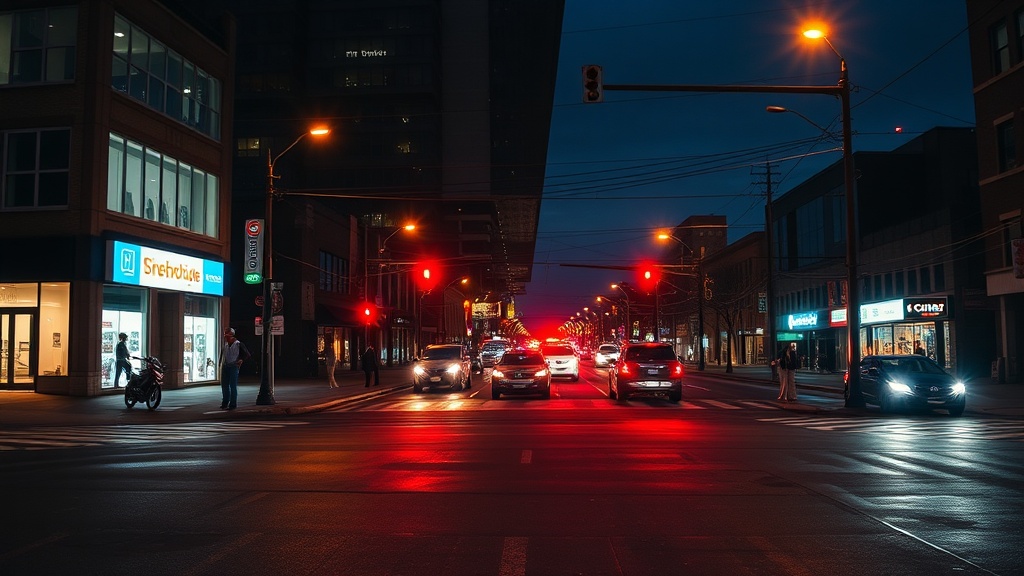
Navigating Sherbrooke's Urban Evolution and Infrastructure Changes

Where is the new construction happening in Sherbrooke?
Have you noticed more orange cones and heavy machinery around the streets of Sherbrooke lately? It seems like every time we turn a corner in the Mont-Bellevue district or drive down King Street West, there's a new project underway. This isn't just a coincidence; our city is undergoing a massive shift in how it handles transit, water management, and urban density. Understanding these changes helps us prepare for longer commutes or unexpected detours during our daily routines in Sherbrooke.
The current phase of development in Sherbrooke focuses heavily on two things: modernization of the aging sewer systems and the expansion of bike-friendly corridors. If you live near the Jacques-Cartier area, you've likely seen the crews working on the streetscapes. These aren't just surface-level fixes—the city is digging deep to ensure our infrastructure can handle the growing population. It's a bit of a headache for those of us driving to work, but it's a necessary step for the long-term health of our local neighborhoods.
One major area of focus is the integration of more permanent cycling paths that connect the different sectors of Sherbrooke. We've seen a push to make the city more accessible for those who don't rely on cars, which is a huge shift for a city that has historically been car-centric. For example, the recent work near the Université de Sherbrooke has changed how students and locals move between the campus and the downtown core. While the construction might feel permanent, it's part of a larger plan to make our streets safer and more efficient.
How does the city manage new housing developments?
As the population grows, the demand for housing in Sherbrooke is hitting new levels. We're seeing a shift from traditional single-family homes toward more multi-unit residential buildings, particularly in the sectors near the Magog River. This isn't just about new buildings; it's about how our city manages the density of these new neighborhoods. The municipal government is constantly reviewing zoning laws to accommodate this growth while trying to keep the character of neighborhoods like Lennoxville intact.
A significant part of this discussion involves the environmental impact on our local ecosystems. When new developments are proposed, the impact on the local water table and the greenery around the Magog river is a frequent topic at community meetings. We need to keep a close eye on how the city balances the need for new homes with the preservation of our natural spaces. The tension between development and preservation is a constant theme in the local political discourse here in Sherbrooke.
"Urban growth must be balanced with the preservation of our local identity and natural resources." — A common sentiment heard at recent public consultations in the Eastern Townships.
If you're interested in the technical side of these zoning changes, you can often find the detailed plans on the official Ville de Sherbrooke website. They provide public notices regarding any changes to land use that might affect your specific street or neighborhood. It's worth checking these documents if you want to stay ahead of the curve regarding what's being built next to your home.
What are the biggest transit changes coming to Sherbooke?
Transit in Sherbrooke is getting a facelift, and it's not just about the buses. We are seeing a push toward more integrated transit solutions. This includes better synchronization between the bus schedules and the growing density of the downtown core. If you take the bus from the North sector, you've probably noticed changes in frequency or route adjustments designed to better serve the newer residential hubs.
The goal is to make the city more walkable and transit-dependent, reducing the reliance on private vehicles. This is a massive undertaking for a city of our size. We're talking about significant investments in the road infrastructure to accommodate both the increased bus traffic and the new bike lanes. It's a complex puzzle, and the pieces are being put in place one street at a time. For instance, the developments around the downtown area are being designed with much more thought toward public transit accessibility than the older parts of the city.
For real-time updates on transit changes or to check the current bus schedules, the Transports Québec resources often provide broader regional context, but local transit-specific news is best found through the city's own service portals. Staying informed about these shifts is vital if you want to avoid the frustration of a missed connection or a blocked route during your morning commute in Sherbrooke.
We also need to talk about the long-term impact on local businesses. When a street is closed for construction or a new bike path is installed, local shops often feel the immediate sting of reduced foot traffic. However, the long-term goal is to create more pedestrian-friendly zones that eventually drive more business to our local entrepreneurs. It's a gamble on the future of our community, but one that many of us are watching very closely.
Whether it's a new construction site on Mont Alma or a change in the bus route near the Magog river, these shifts define the current era of Sherbrooke. We are a city in transition, moving from a smaller-scale town mindset to a more modern, dense urban center. It's a process that requires patience from all of us, but it's one that will ultimately shape how we live and move in our beautiful corner of Quebec for decades to come.