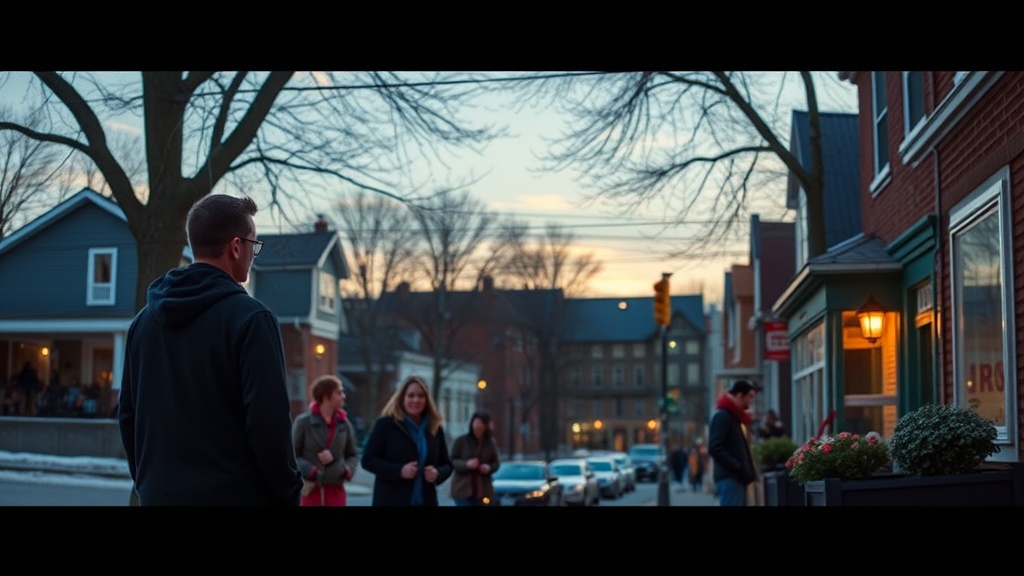
How to Connect with Your Neighbours and Build Community in Sherbrooke

You've lived on your street for three years, yet you barely know the names of the people three doors down. Sound familiar? In our corner of Sherbrooke—where winters keep us indoors and busy schedules pull us in different directions—building real connections with neighbours takes intention. But here's the thing: our city has the bones for tight-knit community life. We just need to know how to use them.
Why Does Community Matter More in Sherbrooke?
Sherbrooke isn't a massive metropolis where anonymity is the default. We're a city of neighbourhoods—each with its own rhythm and character. From the historic streets of Vieux-Nord to the family-friendly blocks of Rock Forest, our community thrives when we actually talk to each other.
Strong neighbourly bonds aren't just warm and fuzzy concepts—they're practical. When the snowstorms hit (and we all know they do), having someone to check on your pipes or grab your mail matters. When you need to borrow a ladder or find a trustworthy local contractor, your network becomes your resource. And in a city where bilingualism bridges our two linguistic communities, knowing your neighbours opens doors to cultural exchange you won't find in any guidebook.
Where Do Sherbrooke Residents Actually Gather?
Finding your people starts with showing up where locals already congregate. Skip the generic advice about "getting involved"—here's where Sherbrooke folks actually spend their time.
Parcs and Public Spaces
The Parc Jacques-Cartier downtown isn't just for tourists taking photos of the fountain. On any given evening, you'll find locals walking their dogs, playing pétanque, or catching up on benches. It's one of those rare spaces where Francophone and Anglophone Sherbrooke residents naturally mix—no formal organization required.
Similarly, the Promenade du Lac-des-Nations offers more than scenic views. The walking loop has become an unofficial meeting ground for our community. Strike up a conversation with someone walking at your pace—you might discover they live three streets over.
Community Centers and Bibliothèques
Our municipal library system—Bibliothèque de Sherbrooke—runs programming that brings people together beyond book lending. The downtown branch on Rue Wellington hosts conversation groups, workshops, and seasonal events that attract residents from across the city. These aren't formal networking events; they're casual spaces where curiosity leads to connection.
The various community centres in our neighbourhoods (like the Centre récréatif de Rock Forest or the Centre communautaire de Lennoxville) host everything from pick-up sports to craft circles. The key is consistency—showing up to the same activity week after week builds familiarity that naturally evolves into friendship.
How Can You Start Conversations Without the Awkwardness?
Walking up to a stranger feels uncomfortable because it is. The trick isn't eliminating the awkwardness—it's lowering the stakes.
Start with observations about our shared environment. Comment on the weather (we have plenty of it), ask about someone's dog, or mention the construction on Rue King Ouest that's been rerouting traffic for weeks. These aren't profound openings, but they work because they're rooted in our common experience of living in Sherbrooke.
The best conversations happen during repeated, low-pressure encounters. The person you see every Saturday morning at the Marché de la Gare? That's your entry point. The parent waiting at the same bus stop on Rue Galt Ouest? Another opportunity. You don't need to exchange life stories—just names and a few words about your day. Do this three or four times, and you've got the foundation of an actual relationship.
Consider hosting something small and specific. A garage sale. A snow-shovelling co-op on your street. An informal meet-and-greet for your apartment building. The activity gives structure to the gathering; the connection happens around it.
What Local Tools Can Help You Find Your People?
Sherbrooke has resources that make community-building easier—you just need to know where to look.
The city's official website maintains listings of neighbourhood associations and community groups. These organizations vary in activity level, but the active ones organize everything from street cleanups to seasonal parties. Joining your local association puts you on the mailing list for events you'd otherwise miss.
For parents, the Centre de services scolaire de la Région-de-Sherbrooke and local schools are natural hubs. School councils, fundraising committees, and extracurricular volunteering connect you with families who share your rhythms and concerns.
Faith communities remain central to many residents' social lives in Sherbrooke. Whether it's the Cathedral of Saint-Michel downtown, one of the many Protestant churches in Lennoxville, or newer spiritual communities, these institutions provide built-in structures for meeting people across generations.
Don't overlook the practical networks either. The Neighbourhood Watch programs coordinated through local police community stations might sound like they're just about crime prevention, but they're equally about knowing who's who on your block.
Digital Spaces That Translate to Real Connection
Local Facebook groups and neighbourhood-specific online forums have their limitations, but they serve a purpose. The "Sherbrooke Community" groups and ward-specific pages alert you to local happenings—lost pets, recommendations for plumbers, notices about road work. The trick is moving from online observation to in-person interaction. When you see the same names popping up in conversations about local issues, introduce yourself at the next community event.
Apps like Nextdoor have gained traction in certain Sherbrooke neighbourhoods, though uptake varies by area. They're worth checking for your specific postal code, but don't rely on them exclusively. Our community still runs on face-to-face interaction more than digital platforms.
What If You're New to Sherbrooke or Shy?
Building community from scratch is harder when you're starting from zero—whether you're new to the city or simply introverted by nature.
If you've recently moved here, lean into the questions. Sherbrooke residents love talking about their city. Ask for recommendations: Where's the best place to get tires changed? Which café has reliable WiFi? What's the story behind that old building on Rue Dufferin? People enjoy sharing what they know, and asking for help creates immediate connection.
For those who find socializing draining, quality beats quantity. You don't need to know everyone on your street. One or two solid neighbourly relationships provide 80% of the practical and emotional benefits of community. Focus on depth with a few people rather than superficial connection with many.
Consider structured activities that reduce the pressure of open-ended conversation. Joining a choir at the Centre des arts de la scène Jean-Besré, taking a class at the Université de Sherbrooke's continuing education program, or volunteering with a defined role (serving meals, sorting donations, maintaining trails) gives you something to do while relationships develop organically.
Remember: everyone in Sherbrooke is dealing with the same winter, the same traffic patterns, the same municipal services. That shared context is your shortcut to conversation. You don't need witty opening lines—just genuine curiosity about the person standing in front of you.
The community you want exists here. It's built one greeting at a time, one borrowed cup of sugar, one conversation on a snowy sidewalk. Sherbrooke gives us the setting—we just have to show up.